
SEO Best Practices in 2026 with AI Strategies Built to Convert
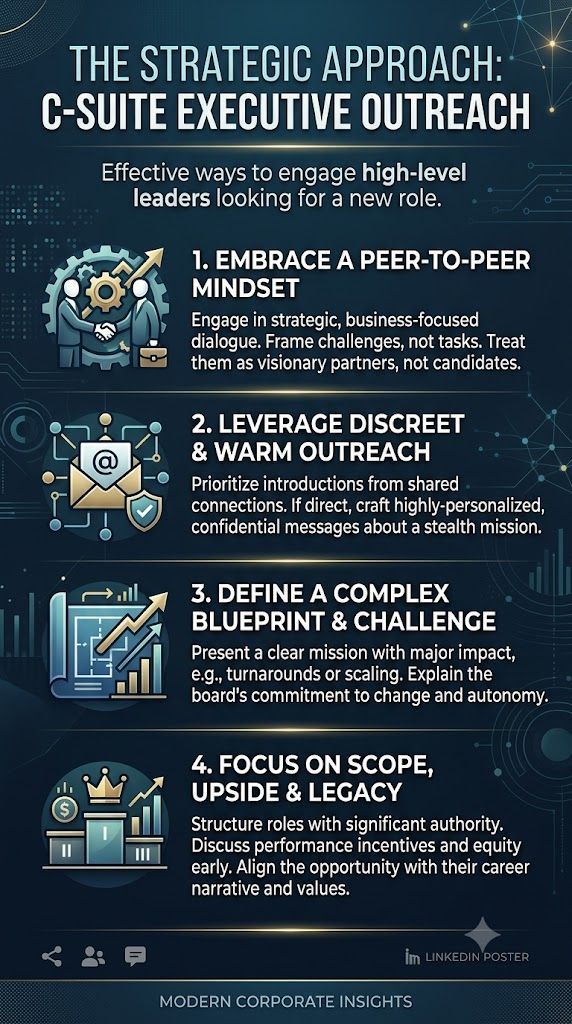
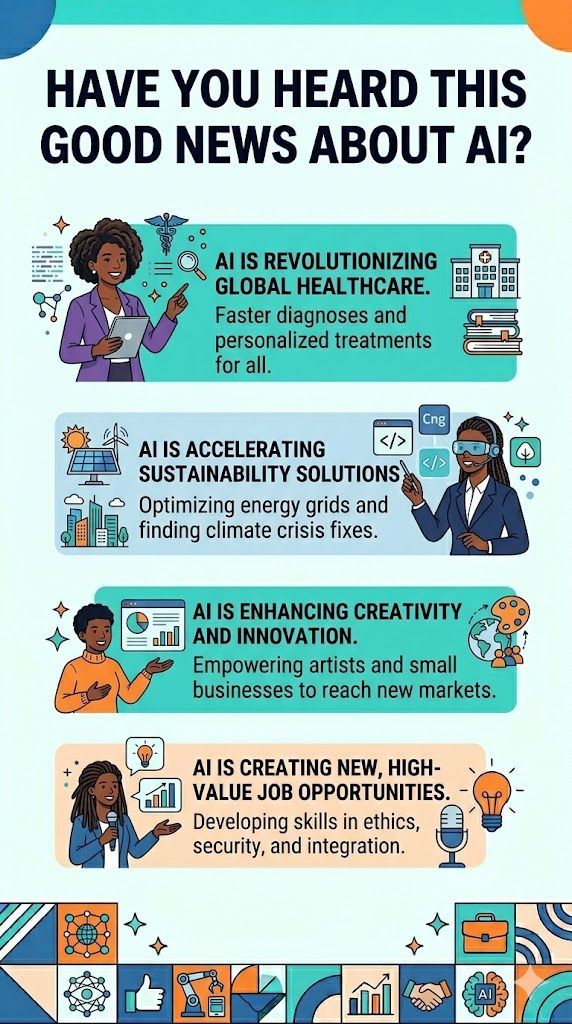
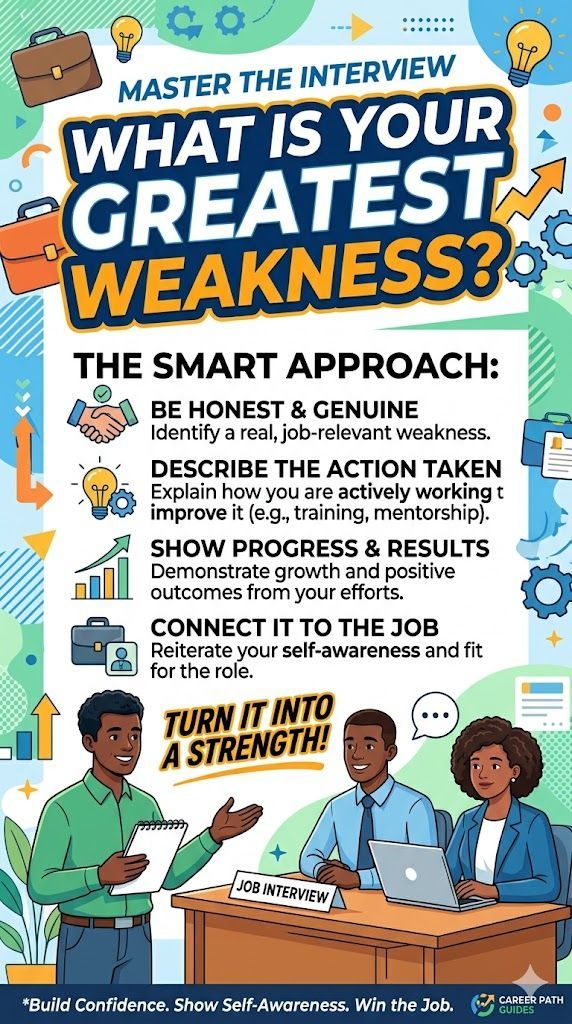
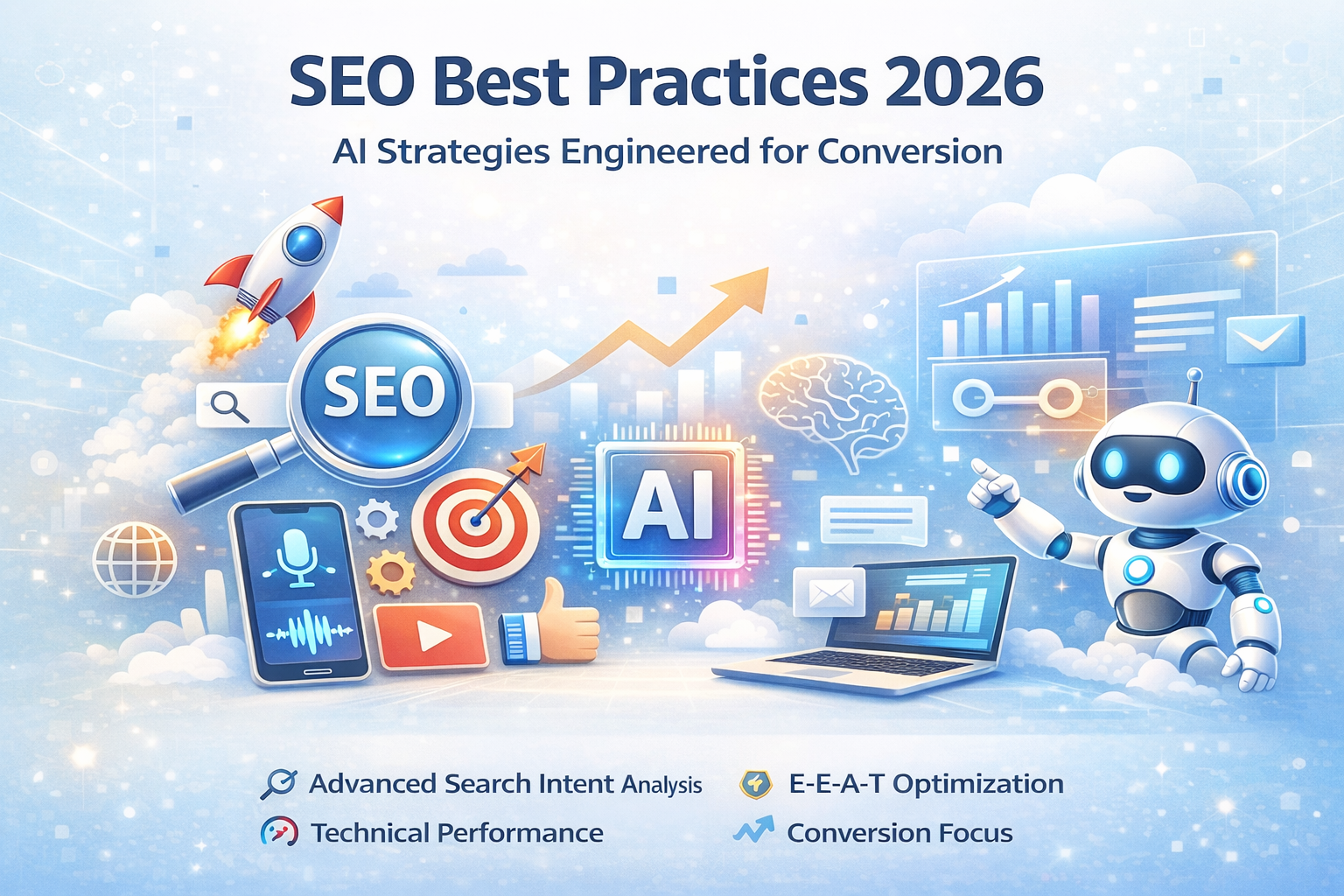
Search is evolving faster than ever, and SEO Best Practices in 2026 demand more than keyword stuffing and backlinks. As shown above, success today is built on AI strategies that are data-driven, user-focused, and engineered to convert. Modern SEO best practice blends advanced search intent analysis, E-E-A-T principles, technical performance, and conversion optimization into one cohesive strategy. It is no longer just about ranking on Google — it is about building authority, trust, and measurable revenue growth. Artificial intelligence now plays a central role in how content is created, optimized, and discovered. From predictive keyword research to automated content analysis and user behavior insights, AI empowers businesses to make smarter decisions at scale. At the same time, search engines are prioritizing real expertise, seamless user experience, fast-loading pages, and meaningful engagement signals. In 2026, winning brands will be those that align content with intent, optimize for both humans and algorithms, and design every page with conversion in mind. SEO is no longer a standalone tactic — it is a growth engine powered by AI, authority, and performance-driven strategy.
Why Traditional SEO Strategies Are Failing in 2026
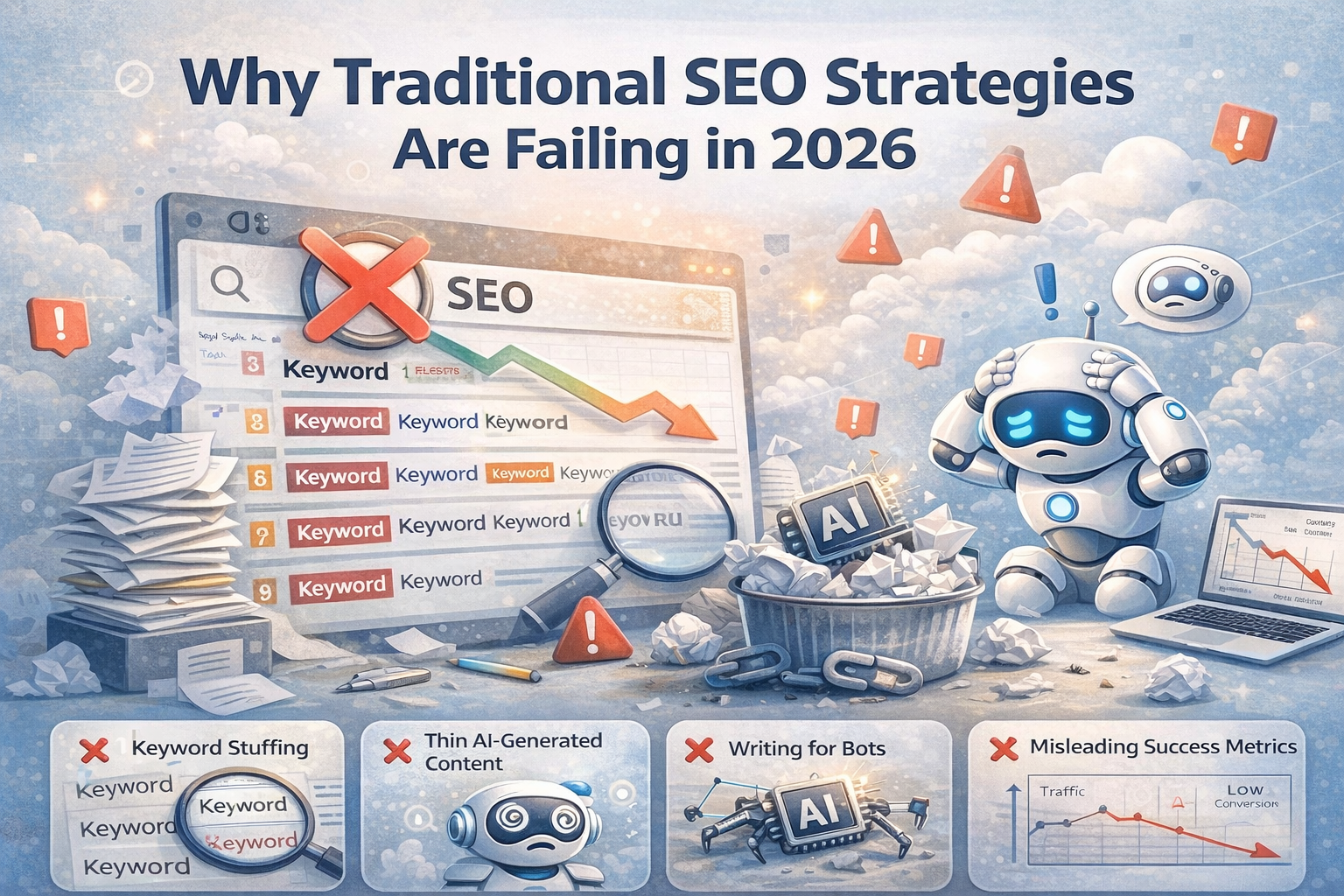
Many websites continue to lose rankings despite publishing more content than ever before. The reason is simple. Outdated tactics no longer align with how search engines evaluate quality and intent. Keyword stuffing has been replaced by topical authority. Thin AI-generated articles without human expertise are easily detected and deprioritized. Pages written purely for algorithms lack persuasive structure and fail to convert visitors into customers. Some businesses even celebrate rankings for keywords that generate traffic but no revenue, creating the illusion of growth without real business impact. In 2026, search engines analyze context, credibility, engagement signals, and user satisfaction. If a page does not demonstrate expertise, answer the searcher’s primary question, and guide them toward a logical next step, it will not maintain its position. Modern SEO demands intent alignment, credibility signals, technical excellence, seamless user experience, and a clear conversion pathway. Without these elements working together, rankings become temporary and revenue remains flat.
Intent-First Content Strategy and Search Intent Optimization
Search engines now prioritize intent satisfaction over keyword density. Every page must serve a dominant purpose, and that purpose must align with the searcher’s stage in the decision journey. Informational queries require educational, authority-building content that answers questions thoroughly. Navigational searches must quickly guide users to the right resource or brand page. Commercial investigation queries demand comparisons, frameworks, and trust-building content that supports confident decision-making. Transactional searches need persuasive, streamlined pages that reduce friction and drive immediate action. High-performing SEO in 2026 connects the keyword, the underlying intent, the page structure, and the call to action into a unified experience. When intent and call to action align, click-through rates improve and conversions increase significantly. Intent-first strategy ensures that traffic arriving on your website is primed to engage rather than bounce. Instead of chasing volume, successful brands focus on relevance, clarity, and decision-stage alignment.
Built for AI-Powered and Generative Search Engines
Artificial intelligence is no longer a supporting feature within search engines. It is the engine itself. Google’s AI-enhanced systems and emerging generative search platforms evaluate content based on structure, clarity, topical depth, and demonstrable expertise. Pages optimized for AI include structured headers that follow logical hierarchy, concise yet comprehensive explanations, schema markup for contextual clarity, and real expert attribution. Generative search engines prioritize original insights, data-backed claims, clear frameworks, and transparent explanations of how and why something works. Generic summaries and recycled content do not perform well in AI-driven environments. Businesses that combine AI-assisted research with human editing and expert perspective outperform those relying solely on automation. The goal is not to replace writers with machines, but to leverage AI for research, pattern recognition, and optimization while preserving human judgment, experience, and strategic thinking. AI understands structure and relevance. Humans deliver insight and trust.
E-E-A-T as a Ranking Requirement and Trust Multiplier
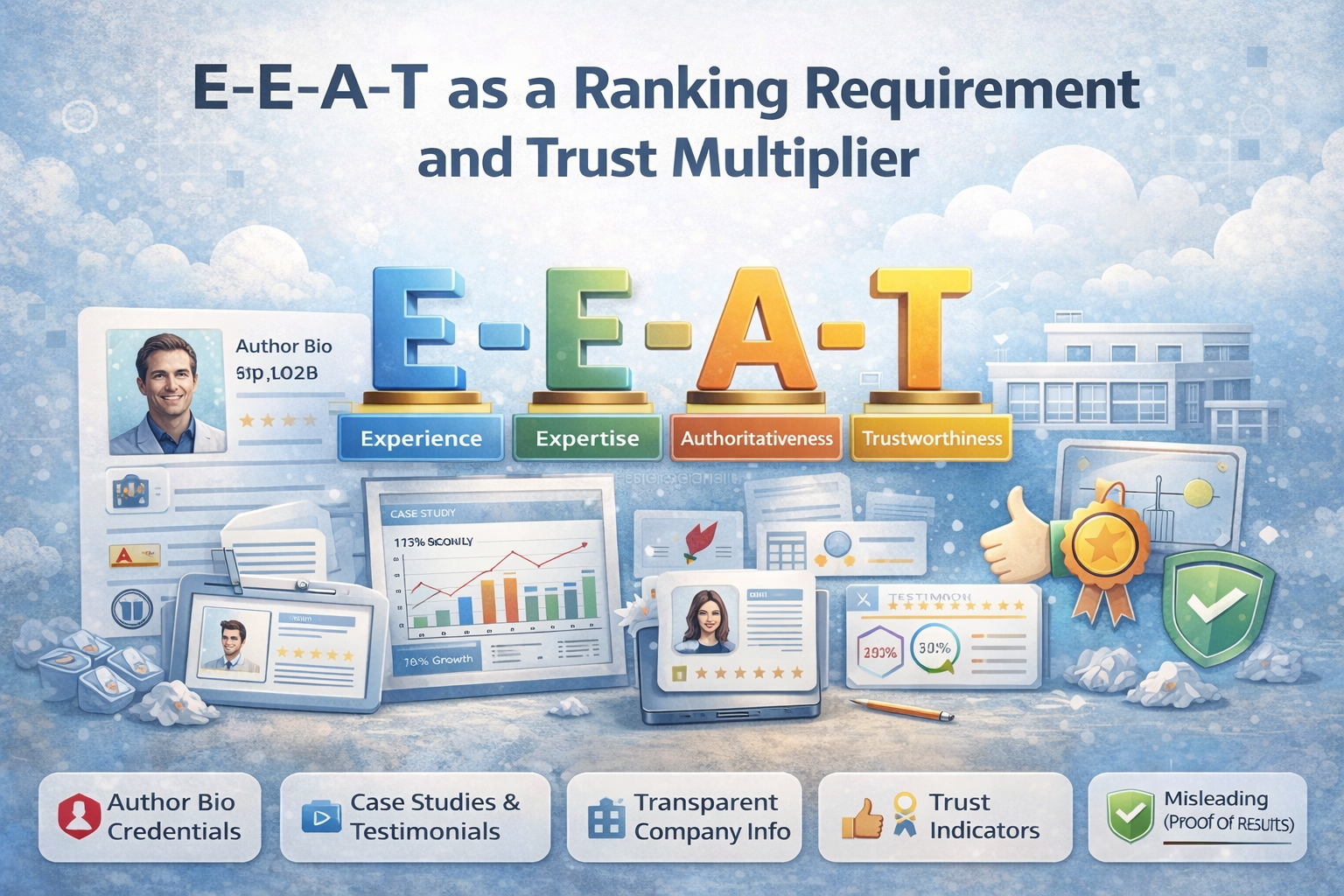
Experience, expertise, authoritativeness, and trustworthiness have become foundational ranking signals in 2026. Experience now holds equal weight to formal expertise. Search engines want evidence that content creators have real-world involvement in the subject they discuss. Winning pages include detailed author bios with credentials, firsthand case studies, transparent company information, testimonials, and proof of results. Trust indicators influence not only rankings but also conversion behavior. Users are more likely to engage and purchase when credibility is clearly demonstrated. In competitive industries, the difference between ranking position two and ranking position five often comes down to trust signals. Businesses that treat E-E-A-T as a branding strategy rather than a compliance requirement gain a sustainable advantage. SEO without credibility may generate temporary visibility, but it cannot build lasting authority. In 2026, trust is not optional. It is the foundation of both ranking performance and revenue growth.
User Experience as a Core Ranking Factor
User experience is deeply embedded in modern ranking algorithms. Search engines measure dwell time, engagement patterns, return visits, scroll depth, and other behavioral signals to determine content quality. Word count alone does not drive performance. Pages that deliver answers quickly, use short readable paragraphs, maintain logical flow, and load in under three seconds consistently outperform slower, cluttered alternatives. Mobile-first optimization is mandatory as voice search and mobile browsing continue to dominate. Clean internal linking structures help both users and search engines understand content relationships. Accessibility, readability, and page speed contribute directly to ranking stability. A seamless user experience reduces bounce rates and increases time on site, signaling value to search engines. Better user experience results in better rankings, but more importantly, it creates positive brand perception that drives repeat engagement and long-term growth.
Conversion Optimization as the New SEO Multiplier
In 2026, traffic without conversion is wasted opportunity. High-ranking pages must be engineered with conversion strategy embedded into their structure. Each page should focus on one clear primary call to action aligned with user intent. Headlines must communicate benefits rather than features. Value propositions should be clear, concise, and differentiated. Strategic internal links guide users deeper into relevant content while reinforcing authority. Trust indicators such as credentials, performance data, guarantees, and social proof reduce friction in the decision-making process. Click-through rate optimization begins in the search results themselves through compelling meta titles and descriptions that align with search intent. Ranking is no longer the ultimate objective. Revenue is. Businesses that integrate SEO with conversion rate optimization experience exponential gains compared to those treating them as separate disciplines. Conversion-focused SEO turns visibility into measurable business impact.
Advanced SEO Trends Shaping 2026 and Beyond
The evolution of search continues at a rapid pace. Voice search optimization requires conversational keyword targeting and natural language formatting. Entity-based SEO and semantic search optimization demand deeper topical coverage rather than isolated keyword targeting. AI-assisted content strategy accelerates research and ideation but requires human oversight to maintain originality and credibility. Generative search results reward structured, authoritative content that can be confidently summarized. Click-through rate optimization is becoming as important as ranking position, as AI-generated summaries influence how users interact with search results. Technical precision combined with psychological persuasion defines future-proof SEO. Businesses that monitor algorithm updates, user behavior trends, and emerging technologies while maintaining a strong content foundation will remain competitive. Adaptability is the defining characteristic of successful digital brands in 2026.
The Real Meaning of SEO in 2026
SEO in 2026 is human-written, AI-understood, experience-backed, and revenue-focused. Ranking is no longer the finish line. Conversion is. Businesses that combine intent-first content strategy, AI optimization, E-E-A-T credibility, superior user experience, and conversion engineering will dominate search results and build sustainable growth. The future belongs to brands that create real value, demonstrate genuine expertise, and design every page with measurable outcomes in mind. Optimize smarter. Build for trust. Align with intent. Turn traffic into revenue.